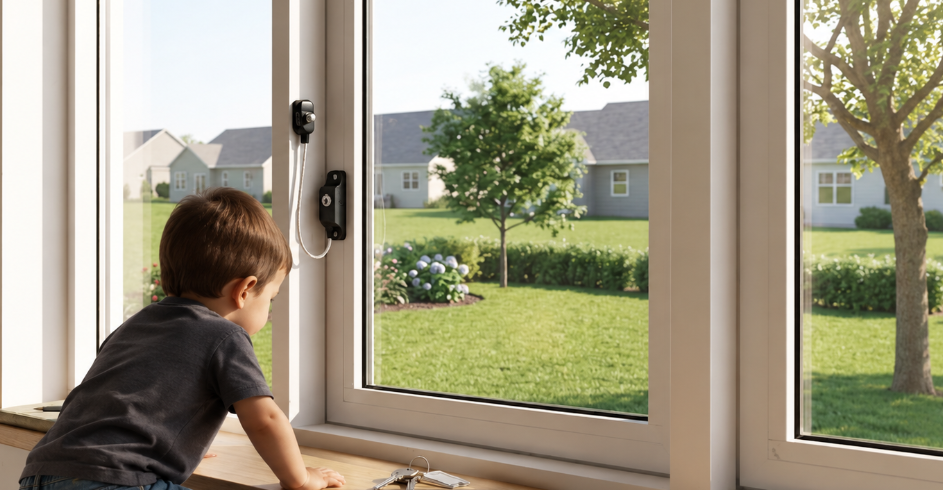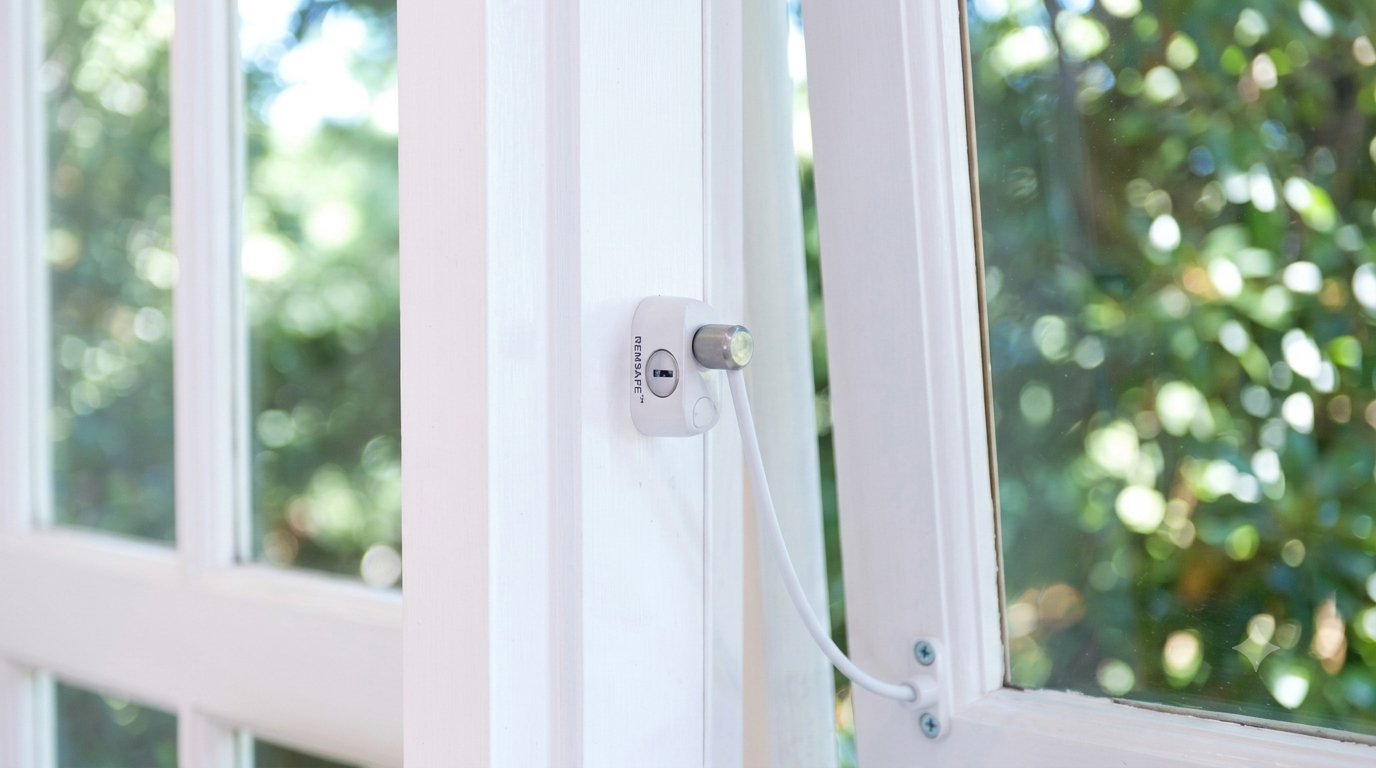
Annual window safety inspections aren’t just good housekeeping. Under section 118 of the Strata Schemes Management Act 2015, an owners corporation’s duty is ongoing — complying window safety devices must be in place and working at all times, not just on the day they were installed. An annual inspection is the accepted way to meet that duty and to prove it. Despite this, many owners corporations skip annual inspections or don’t understand why they matter. The reason is straightforward: window safety devices degrade, wear out, get damaged, or are removed by residents. A restrictor that passed inspection last year might be broken this year. Annual inspections catch these failures and ensure remediation happens before an accident occurs. This guide walks you through the entire annual inspection process, what to expect, how to prepare, and how to establish a compliance programme that keeps your building safe and legally protected year after year.
Why Annual Inspections Are Mandatory
Section 118 makes the owners corporation responsible for ensuring complying devices are on every covered window — continuously. A device that has failed since last year puts the building in breach whether anyone has looked or not, and the only way to know is to look.
The regulation exists because conditions change. A restrictor functioning correctly in year one might develop issues in year two due to weathering, material fatigue, corrosion, or physical damage. Residents might remove or disable restrictors. Families with young children might move into units (increasing the at-risk population), or families with children might leave (changing the risk profile). Window frames can develop cracks or damage affecting restrictor attachment integrity.
When compliance is questioned — by an insurer at renewal, a buyer’s lawyer, or an investigator after an incident — the inspection records are the evidence. A gap in the records is read as a gap in compliance. If the building can’t produce inspection reports for recent years, it will be treated as non-compliant regardless of the actual state of the hardware. The annual requirement creates a documented compliance trail that protects the building and the OC.
From a safety perspective, annual inspections are essential because they catch problems before injuries occur. A broken restrictor discovered during inspection can be replaced immediately. A restrictor discovered broken only after a child is injured is catastrophic–legally, financially, and morally. Annual inspections are the mechanism that turns compliance into genuine safety assurance.
What Happens During an Annual Window Safety Inspection?
An annual inspection follows a systematic process. First, you book an appointment with a certified window safety inspector. You’ll need to provide access to all common property windows and, if the building has private windows meeting the criteria, arrangement for residents to grant access to those windows. For a typical 20-unit apartment building, the inspection takes 2-4 hours depending on number of windows and building layout.
The inspector arrives with testing equipment and documentation forms. They work room by room, window by window, documenting each window and its condition. For each window, the inspector checks several things: whether a restrictor is present, the type of restrictor, whether it’s visibly damaged or corroded, whether it’s securely attached to the frame, whether the opening gap meets specification (typically maximum 12.5cm), and whether the restrictor operates with correct force (typically 250 newtons depending on type).
The inspector uses calibrated tools–a gap ruler to measure maximum opening, a force gauge to measure how much effort is required to operate the restrictor. They complete a detailed checklist for each window, noting measurements and any issues. If a window fails testing (opening gap exceeds specification, restrictor is broken, restrictor force is incorrect, or restrictor is missing), the inspector flags it for remediation. Once all windows have been assessed, the inspector compiles a comprehensive report documenting results and any failures.
On the same day, the inspector issues a compliance certificate. If all windows passed, the certificate confirms compliance valid for 12 months. If failures were identified, the certificate notes the failures and specifies remediation requirements and timelines. In many cases, inspectors who also provide installation services can remediate failures immediately (installing missing restrictors, repairing or replacing damaged ones), allowing the building to achieve compliance within hours rather than days.
What the Inspector Checks: A Room-by-Room Breakdown
Opening Gap Measurement The inspector opens each window to its maximum extent and measures the gap between the window pane (or sash) and the frame using a calibrated gap ruler. The measured gap must not exceed the maximum specified–typically 12.5 centimetres for most restrictor types. If the gap exceeds this measurement, the window fails because a gap that large allows a child to potentially pass through. Measurement must be taken at the widest point of the opening, typically mid-window. The inspector records the measurement for documentation.
Restrictor Force Test — The legislated requirement is strength: a complying device must be able to resist 250 newtons of outward force (roughly a 25-kilogram push) while keeping the opening under 125mm. The inspector applies controlled force to the window with the device engaged and confirms the device, its fixings and the frame all hold, and that the device remains engaged. A device that slips, deforms or pulls away from the frame under force fails, even if it looks sound.
Hardware and Attachment Integrity The inspector visually inspects the restrictor and window frame for corrosion, cracks, loose fasteners, or damage. For chain restrictors, they check that the chain isn’t corroded, frayed, or damaged. For fixed restrictors, they ensure fasteners aren’t loose. For any restrictor type, they verify it’s securely attached to the frame with no movement or play. A restrictor that’s attached but loose, or partially corroded, can fail during use and must be repaired or replaced.
Frame and Glass Condition The inspector checks the window frame itself for cracks, rot, warping, or damage that might affect restrictor function or window integrity. A cracked frame might not hold a restrictor securely. Rot or water damage compromises structural integrity. The inspector notes any frame issues and flags them for repair. While frame damage isn’t always a direct compliance issue, it indicates that window maintenance is needed and can affect restrictor reliability.
Documentation and Previous Records The inspector reviews any previous inspection reports or compliance certificates on file. They check whether previous remediation recommendations were completed, whether devices were replaced as noted, and whether the inspection history is current. If previous inspections are missing (indicating a gap in annual inspections), this is documented as a compliance concern requiring explanation.
Preparing Your Building for Inspection Day
Notify Residents Early If the building has private windows requiring inspection, residents must grant access to their units. Notify residents at least two weeks before the inspection date. Explain why the inspection is required (legal obligation and child safety), when it’s scheduled, how long it will take, and that access is mandatory. Provide the inspector’s contact details so residents can arrange convenient access times if needed.
Arrange Access to Common Areas Ensure the inspector can access all common property windows–hallways, lobbies, courtyards, balconies, laundry areas, and any other common areas with windows. Clear any obstacles blocking access. If common areas are typically locked, arrange for doors to remain unlocked during the inspection or for the inspector to have key access.
Gather Previous Documentation Collect all previous inspection reports, compliance certificates, remediation records, and correspondence related to window safety. If remediation was recommended previously, gather records showing whether remediation was completed. The inspector needs this history to track whether the building has maintained compliance and to understand what devices are already installed.
Prepare a Building Contact Designate one person (typically the strata manager or committee member) as the inspection day contact. This person should be available to meet the inspector, provide access to locked areas, answer questions, and receive the final report. Clear communication on the day ensures the inspection flows smoothly and the inspector has everything they need.
Prepare for Possible Remediation If you’re aware of windows with known issues (broken restrictors, missing devices), inform the inspector upfront. If you’re arranging same-day installation as part of the inspection appointment, confirm timing and logistics. The inspector needs to know whether remediation will be performed immediately or scheduled separately.
Reading Your Compliance Report
The inspection report is a formal document documenting what was inspected, what passed, what failed, and what actions are required. The report should include the property address, inspection date, inspector name and qualifications, the standard to which the inspection was conducted (AS 5203-2016), and a summary of findings.
The detailed section lists each window inspected with results. For each window: room location (e.g., “Master bedroom, unit 5”), window type (casement, sliding, etc.), restrictor type (chain, fixed, etc.), opening gap measurement, force test result, and pass/fail determination. All measurements should be documented numerically. You can review these to understand exactly which windows were assessed and how they performed.
A “pass” result means the window meets compliance requirements. The restrictor is present, functions correctly, opening gap is within specification, and force is correct. A “fail” result means the window does not meet requirements. Possible reasons for failure: restrictor is missing, restrictor is broken or non-functional, opening gap exceeds specification, force is outside acceptable range, or hardware is damaged. The report should specify which failure mode applies to each failed window.
The remediation section specifies which windows require action, what action is required, and typical timelines. For a missing restrictor, the recommendation is installation of an approved device. For a broken restrictor, the recommendation is replacement. For frame damage, the recommendation might be frame repair before restrictor attachment. For hardware issues, the recommendation is repair or replacement of fasteners.
The compliance statement at the end of the report confirms whether the building is currently compliant or non-compliant. A compliant building has passed inspection and received a certificate valid for 12 months. A non-compliant building has failed inspection and requires remediation within a specified timeframe (30 days is the practical benchmark most buildings work to). The certificate includes the compliance period (typically 12 months from inspection date) and the date by which the next inspection must be conducted.
What If Windows Fail the Inspection?
Failed windows must be remediated. The exact remediation depends on the failure mode. A missing restrictor requires installation of an approved device. A broken restrictor requires replacement. A restrictor with hardware damage requires repair of fasteners or hardware replacement. A frame with damage might require frame repair before restrictor attachment. The inspector’s report should clearly specify the required remediation for each failed window.
Treat 30 days as the outer limit for remediation — the building remains non-compliant, and the owners corporation exposed, every day a known defect stays open. Don’t delay remediation. The building remains non-compliant until remediation is complete. If an injury occurs during the non-compliance period, liability exposure is severe.
The question of cost responsibility–whether the OC or individual lot owners pay for remediation–depends on whether the window is common property or private property. Common property windows are the OC’s responsibility and cost.
Windows within private units are typically the lot owner’s responsibility. If a resident’s private window fails inspection, you’ll need to notify the resident of the non-compliance and requirement to remediate. If the resident refuses, the OC can apply to NCAT for an order requiring access and remediation.
Once remediation is complete, the inspector will re-inspect the remediated windows. The re-inspection confirms that devices are properly installed, function correctly, and meet all specifications. Once re-inspection passes, a final compliance certificate is issued. The building returns to compliant status. The original inspection date becomes the compliance reference date–the annual inspection will be due 12 months from the original inspection, not from the remediation date.
Setting Up an Annual Compliance Programme
Rather than scheduling inspections ad-hoc each year, consider establishing a formal annual compliance programme with an inspector. Under a programme, the inspector schedules your building’s inspection on the same date each year. They send reminders before the inspection is due. They maintain records of your building’s compliance history. They notify you when the annual inspection date approaches and confirm scheduling. This systematic approach eliminates the risk of accidentally skipping a year and keeps compliance active and documented.
Haven Compliance offers annual compliance programmes for Sydney residential buildings. When you engage us under a programme, we schedule your building’s inspection on an annual basis, send reminders, handle documentation, keep records organised, and issue compliance certificates each year. For buildings managing multiple properties, a portfolio programme means we manage compliance across all your buildings centrally–you have one point of contact and don’t need to coordinate separately with multiple inspectors.
Programmes often include cost benefits compared to one-off inspections. Haven’s annual inspections start from $250 + GST, quoted fixed before booking. If remediation is needed, that’s additional cost. A programme typically includes the annual inspection at a set annual cost and might include one remediation visit per year at no additional charge (for minor replacements or repairs). This predictable annual cost and simplified scheduling make compliance easier to maintain.
Record-Keeping: What You Must Keep and For How Long
NSW strata law requires owners corporations to keep building records, including compliance documentation. For window safety, you must retain: the original inspection report from each annual inspection, the compliance certificate for each year, documentation of any remediation performed, correspondence with residents regarding access or remediation, and any communication with Fair Trading NSW or other regulatory bodies regarding compliance.
Retain these records for at least 7 years — the retention period the Strata Schemes Management Act sets for owners corporation records. Some best practice advice suggests retaining them for the life of the building–compliance records demonstrate due diligence and can be essential if a legal dispute arises years later. Many buildings now keep compliance records digitally and in hardcopy, with digital records backed up securely.
Record-keeping serves multiple purposes. It creates a documented compliance trail showing Fair Trading NSW that the building has maintained annual inspections consistently. It shows insurance companies that the building is compliant (important when renewing policies). It protects the OC if a legal dispute arises–you can demonstrate that you maintained compliance and took reasonable safety measures. It helps the building track which windows have had work done, which might need future attention, and whether remediation was completed as recommended.
For strata managers, maintaining clear records reduces liability. If Fair Trading NSW or a court reviews your compliance efforts, you can demonstrate that you advised the OC of its obligations, arranged annual inspections, documented results, and followed up on remediation. Clear records show due diligence and professional management.
Annual Inspection Checklist
Use this checklist to prepare for your building’s annual inspection and to track compliance activities throughout the year:
- Two weeks before inspection: Notify residents of inspection date and access requirements
- Two weeks before: Gather all previous inspection reports and compliance certificates
- Two weeks before: Confirm inspection appointment with inspector and access logistics
- One week before: Confirm residents have been notified and arrangements are confirmed
- One week before: Identify any common area access issues (locked doors, obstacles) and arrange access
- Inspection day: Designate building contact to meet inspector and provide access
- Inspection day: Provide previous records and remediation documentation to inspector
- Inspection day: Clarify any known issues with specific windows with the inspector
- Same day or within 24 hours: Receive inspection report and compliance certificate
- Within 3 business days: Review report and identify any failed windows requiring remediation
- Within 1 week: If remediation is needed, contact residents for private windows and arrange remediation
- Within 30 days: Complete all remediation
- Immediately after remediation: Schedule re-inspection to confirm remediation is compliant
- After re-inspection passes: Receive final compliance certificate
- Within 1 month of inspection: File inspection report and certificates in strata records
- Ongoing: Retain all compliance documentation for a minimum of 7 years
- Twelve months from inspection date: Schedule next year’s annual inspection
Moving Forward With Confidence
Annual window safety inspections are a legal requirement, but they’re also your best tool for ensuring genuine safety in your building. A building with current annual inspections and documented compliance is a building that’s taking child safety seriously and protecting itself legally. If your building hasn’t had an inspection in the past 12 months, that’s your priority action. If your last inspection was more than 12 months ago, you have a compliance gap that needs to be closed immediately.
Haven Compliance specialises in annual window safety inspections for Sydney residential buildings. Our certified inspectors conduct thorough assessments to AS 5203-2016 standard, provide detailed reports, issue compliance certificates, and offer same-day installation if remediation is needed. We provide annual compliance programmes where we manage your building’s inspections systematically year after year, eliminating the administrative burden of remembering to schedule and track compliance. Whether you need a one-time inspection or a managed annual programme, we’ll help ensure your building stays compliant, safe, and legally protected.