Keeping Every Home a Safe Haven
One scheduled visit a year keeps your building compliant with section 118 — with on-the-spot device replacements and a compliance certificate that stays current. Built for strata managers, owners corporations and landlords across Sydney & NSW.
Every qualifying window re-tested to the 125mm and 250-newton requirements.
Worn or failed hardware replaced during the same visit wherever possible.
Unit-by-unit records ready for your section 180 file, updated every cycle.
A fresh compliance certificate issued every year, delivered digitally.
Fixed pricing from $250 + GST per cycle · scheduled and reminded by Haven · AGM-ready reporting
Explore the Program Get a quote
Prefer email? Send us your request directly: ✉ admin@havencompliance.com.au
Provide your building details, and last inspection date using one simple booking link for the whole building.
We provide a bulk booking link so residents choose a time that suits them no chasing, no coordination stress.
A qualified technician completes all required window safety checks on-site in a single visit.
Our priority is to complete inspection and installation in one visit wherever possible, delivering a faster, more efficient compliance outcome.
Photo-backed inspection reports and compliance certificates are delivered and maintained for your scheme’s records.
Your scheme is tracked for future inspections, with reminders sent before the next compliance cycle.
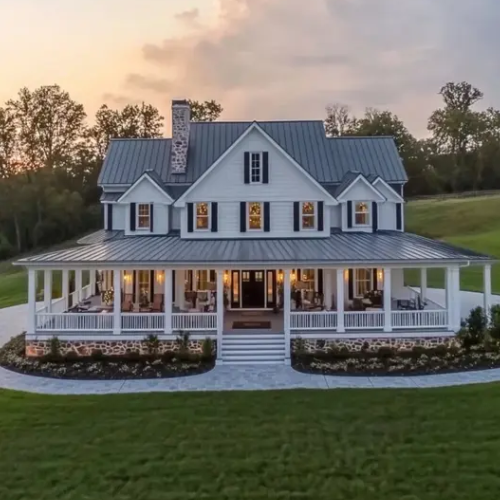
Haven Compliance visits
a single property. Priced at $250 plus GST

Haven Compliance visits a 2-10 unit property.

Haven Compliance visits 11 to 20 units, ideal for medium buildings.
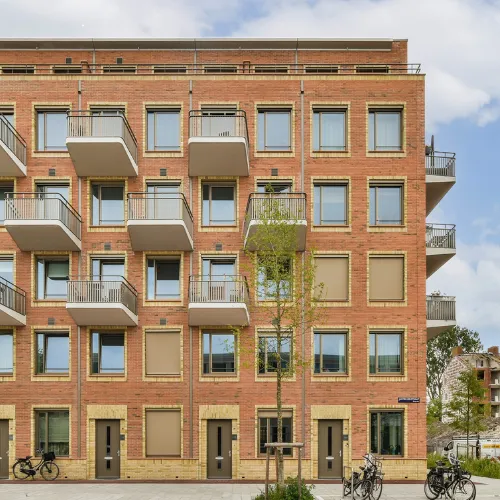
Haven Compliance visits 21 to 40 units, ideal for large buildings.
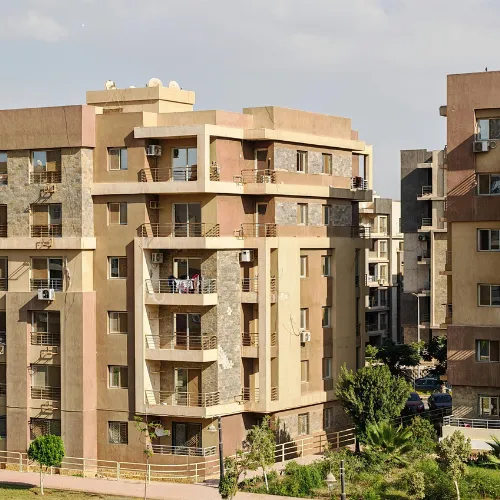
Haven Compliance visits 41 to 60 units, ideal for small complex.
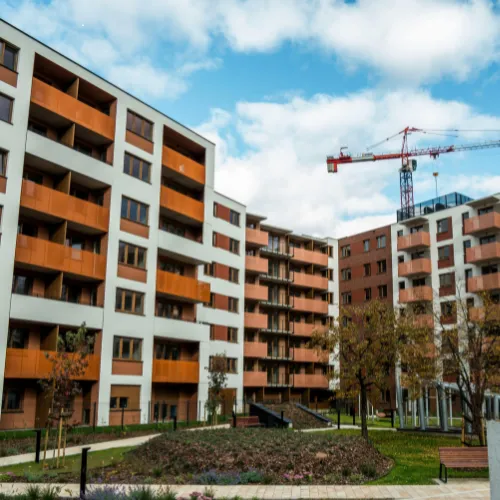
Haven Compliance visits 61 to 100 units, ideal for multi-building complex.

Haven Compliance works with REMSAFE, a trusted provider of safety-rated remote isolation systems.
This partnership supports safer site access, reduced risk, and compliant coordination during inspections and maintenance activities.
Haven Compliance partners with REMSAFE, our trusted supplier of child-safety window locks and compliant window safety hardware. This ensures consistent device quality, safer outcomes, and streamlined coordination for strata inspections and rectification works.
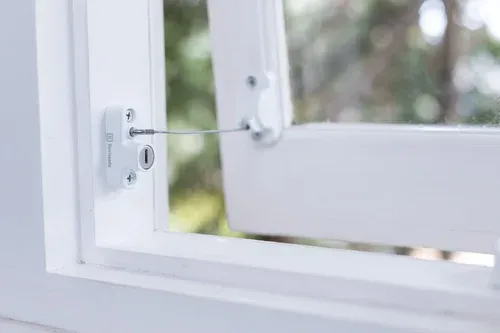
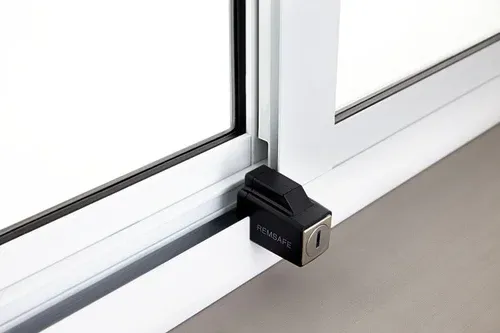
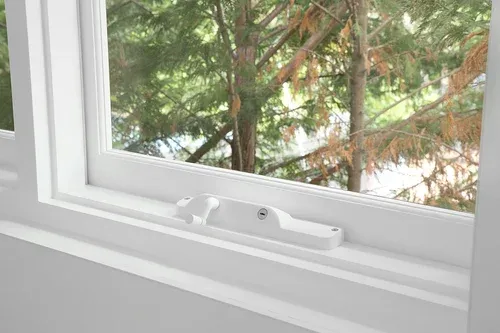
Engineered for strength, reliability, and daily use
Designed to meet strata safety requirements
Neat installation that keeps windows looking great
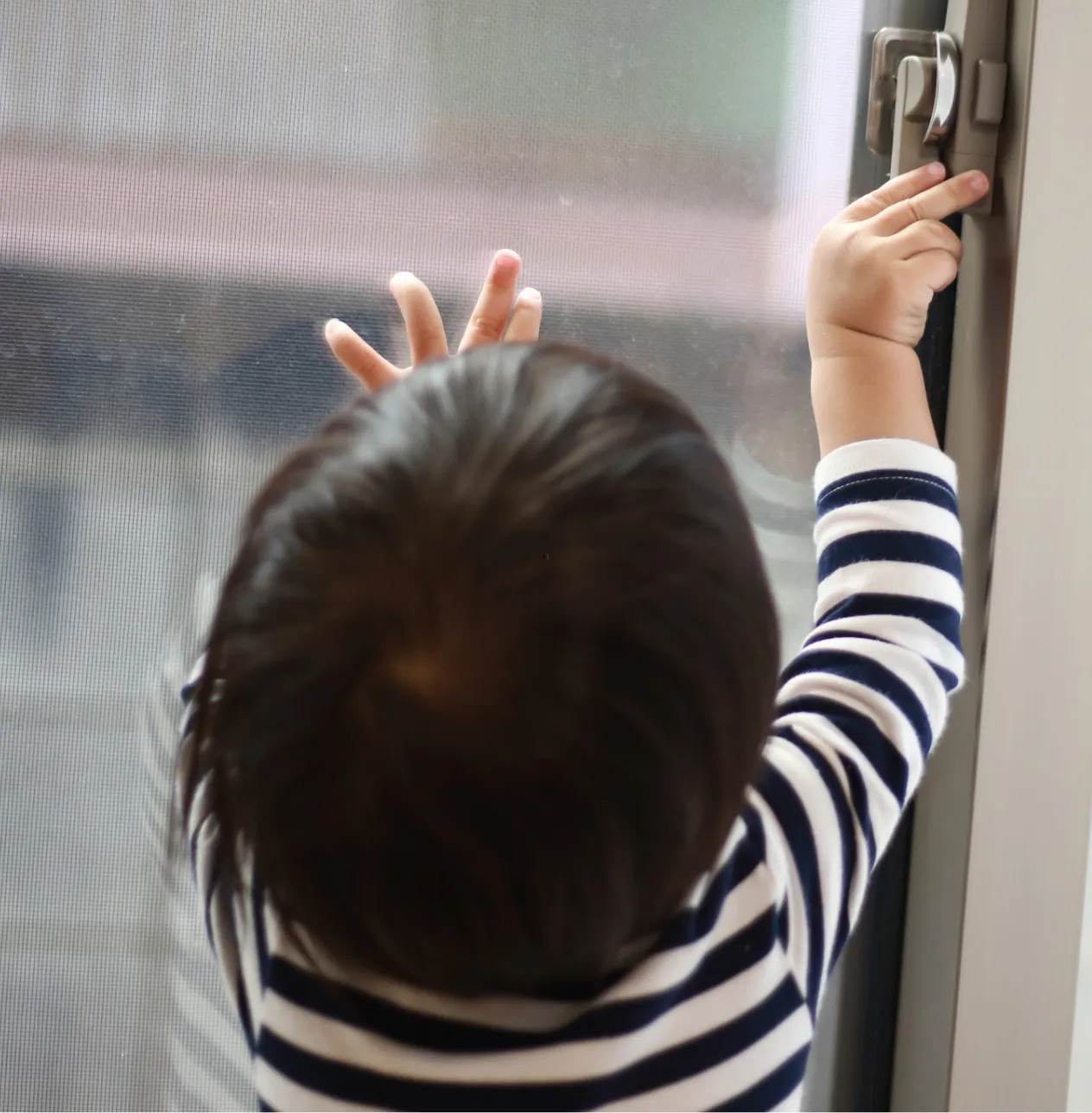
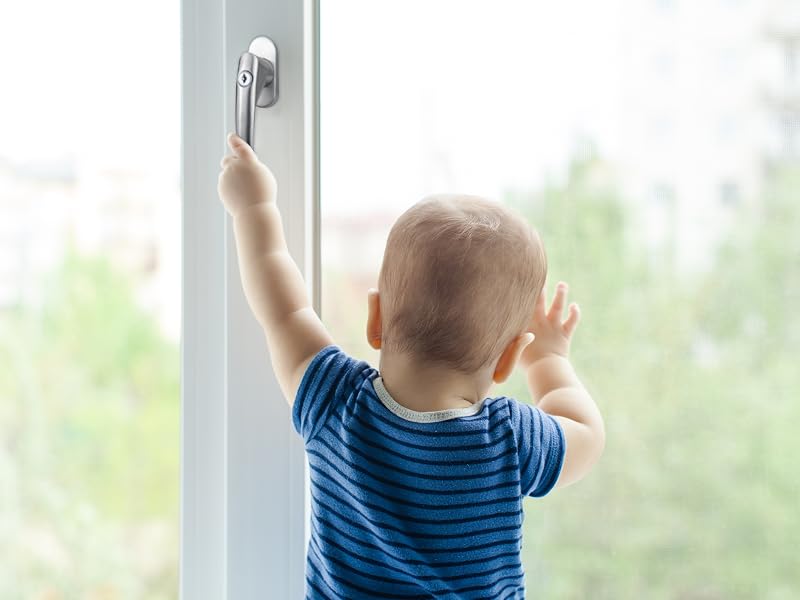
Not sure which service tier fits your building? Our compliance specialists can help you understand your requirements and choose the right option.
Last updated: 28 July 2026
TL;DR: NSW strata buildings must have complying safety devices on qualifying windows — and the deadline passed in March 2018. Haven Compliance inspects every window on-site, replaces failed devices on the spot with REMSAFE child-safety locks, and issues a photo-backed report and compliance certificate the same day, across Greater Sydney and regional NSW. Inspections start at $250+GST, quoted fixed before booking. Call +61 2 8000 0287 or email admin@havencompliance.com.au to book.
Window safety compliance means fitting the windows the law covers with devices that stop them opening far enough for a child to fall — and holding the records that prove it. The requirement comes from section 118 of the Strata Schemes Management Act 2015 (NSW), and the deadline passed on 13 March 2018: a building without working devices today isn’t approaching an obligation, it’s already in breach.
The rule has history behind it: NSW first legislated child window safety devices in 2013 after a series of preventable falls from apartment windows, and the obligation now sits in section 118 of the 2015 Act. Owners corporations were given five years to comply; that runway ended in March 2018. What remains today is not a transition period but an enforcement environment — Fair Trading can inspect, and a building with missing or failed devices has no grace period left to point to.
A complying device restricts the window opening to 125mm or less, or is a robust screen — and in either case must resist 250 newtons of outward force, about 25 kilograms of push. AS 5203:2016 is the test method used to prove it. Ordinary flyscreens do not comply. The maximum penalty under s118 is $550, but the fine is the smallest part of the exposure — the real risks are a child falling and the liability questions that follow a preventable incident. That’s why child safety window locks exist, and why inspection is worth doing properly.
A window needs a device when three conditions are all met: it’s openable, the inside floor is 2 metres or more above the ground outside, and the opening starts less than 1.7 metres above that inside floor. In practice that captures most bedroom and living-room windows from the first floor up in strata apartment buildings and townhouses; ground-level windows generally fall outside the test, and so do high transom windows whose opening starts above 1.7 metres.
The device can be releasable by an adult — for ventilation, cleaning or emergency escape — but it must re-engage rather than stay permanently unlocked. Many schemes also choose to protect windows that fall just outside the legal test, because the fall risk doesn’t read legislation. Our window safety audits map exactly which windows in your building qualify, so nobody is guessing.
You can do a quick self-check to see roughly where your building stands — a professional inspection is still needed for compliance, but five minutes tells you whether you have a problem.
Step 1: pick a window and judge the drop — is the inside floor 2 metres or more above the ground outside? If not, that window is likely outside the law. Step 2: check where the opening starts — below 1.7 metres from the floor means the window likely qualifies. Step 3: open it gently — does a device stop it at about 125mm, roughly a hand’s width? No device, or a wider gap, is a fail. Step 4: the force test — a complying device must hold against 250 newtons of outward force, and that cannot be safely tested by hand; it’s the step that needs professional testing.
One myth to drop immediately: a flyscreen is not protection. Ordinary insect screens are not built to resist 250 newtons — see our full guide on flyscreens. If your self-check raises any doubt, book a professional window safety device inspection and get a definitive, documented answer.
Three families of device can satisfy the law, and choosing the right one per window matters more than most schemes realise. Window restrictors limit the opening to 125mm while still letting air through — the usual choice for bedrooms and living areas, and the category REMSAFE specialises in. Key-operated window locks can hold a window fully closed or at a restricted opening; they suit windows that are rarely opened, but a lock that depends on residents re-locking it is only as reliable as the habit. Robust safety screens — not flyscreens — are engineered to resist the 250N force across the whole opening and suit windows where a restricted opening isn’t practical.
Whichever type is fitted, the same two tests apply: the 125mm limit or a compliant screen, and 250 newtons of outward resistance under AS 5203:2016. The wrong-device problem is one of the most common issues in Sydney buildings — hardware that looks like a safety device but was never built to the standard. Our guide to window restrictors versus window locks covers how to tell the difference; on inspection day, the technician tests rather than assumes.
Every qualifying window in the building, tested and photographed in a single visit. Our trained technician checks each openable window against the legal test, then tests the installed device against the 125mm opening limit and the 250N standard. Every window and device is photographed, and the results go into a photo-backed compliance report: which windows qualify, the status of each device — compliant, failed or missing — and what was replaced on the day. The report is formatted for your strata records, which section 180 requires you to keep for 7 years.
Once the building passes, your compliance certificate is issued the same day. One thing we’re upfront about: there is no official NSW certification scheme for window safety inspectors, and anyone who implies otherwise is misleading you. Our certificate is independent, documented, photographic evidence of your building’s status on the inspection date — which is exactly what you want on file if Fair Trading ever asks.
A failed device gets replaced on the spot. Our technicians carry REMSAFE child-safety locks — our hardware partner, chosen for compliance and minimal visual impact — so window restrictor installation happens during the inspection visit, not weeks later after a second round of access coordination. Replacements are recorded in your report with photographs, and your certificate reflects the final, passed state of the building.
Hardware is priced separately from the inspection fee, so you always see what you’re paying for inspection versus parts. This single-visit model is the difference between us and providers who hand you a failure report and leave the fixing to you.
Most buildings that fail inspection don’t fail because nobody ever installed devices — they fail because of what happened after installation. The patterns repeat across Sydney: restrictors that were disengaged for ventilation or cleaning and never re-engaged; devices seized or corroded by weather exposure, especially in coastal buildings; keys lost over successive tenancies, leaving key-operated locks permanently useless; hardware loosened by years of use that no longer holds under force; devices removed during renovations or window replacements and never refitted; and the flyscreen assumption — a building relying on insect screens that were never safety devices at all.
This is why a building that passed years ago can be non-compliant today, and why the inspection tests every window rather than sampling a few. Our breakdown of common window lock compliance failures goes deeper on each pattern — and every one of them is exactly what a photo-backed report is designed to catch and document.
Pricing starts from $250+GST, with every building quoted fixed before booking. the full pricing page. Every tier includes the on-site inspection, the photo-backed report and the same-day compliance certificate.
For larger buildings, the quote comes down to practical scope: how many qualifying windows the building has, how access across units will be coordinated, and whether the inspection is a one-off baseline or part of a recurring program. Replacement hardware is always priced separately from the inspection, so an invoice never blurs the line between the audit and the parts.
We publish our pricing deliberately. Most providers in this space make you fill in a quote form before they’ll tell you what an inspection costs; we’d rather you compare us with the numbers already on the table. For a strata manager putting a recommendation to an owners corporation committee, a published price is also simply easier to get approved than a mystery one.
Compliance is an ongoing obligation, not a one-off tick — devices wear, tenants change, and records must stay current. Four things keep a portfolio clean: annual re-inspection programs — devices corrode, keys go missing and restrictors get disengaged, so scheduled re-inspection and maintenance catches degradation before Fair Trading or an incident does. End-of-lease checks — a tenancy changeover is the natural moment for an end-of-lease window safety audit, especially in high-turnover buildings. Records — section 180 requires strata records kept for 7 years; every Haven report and certificate is delivered digitally so your building file stays complete. Future compliance tracking — we flag your next inspection before it’s overdue, so no building in the portfolio quietly lapses.
One specialist provider across every suburb you manage also means one report format, one invoice and one number to call — across all of Greater Sydney and regional NSW.
A certificate records a date; safety is what happens every day after it. Five things residents and building managers should know: make sure residents with children understand how to engage their restrictors — a device that’s never engaged protects nobody. Keep beds, chairs and bookcases away from windows, because furniture is a climbing platform. Report damaged, loose or missing devices to the building manager immediately rather than waiting for the next inspection. Never treat a flyscreen as protection. And supervise — even a fully compliant building is safer when adults actively manage window access.
We include practical guidance like this in our reporting and resources hub because prevention between inspections matters as much as the inspection itself.
All of Greater Sydney and regional NSW. Across Sydney that means the North Shore and Northern Beaches, the Eastern Suburbs and Inner West, the Sydney CBD and Inner City, Parramatta and the Hills, South West Sydney, Southern Sydney, the St George corridor and the Western Suburbs — with dedicated local pages for dozens of individual suburbs, because a waterfront building in Manly with salt-corroded hardware presents differently from a high-turnover student building in Ultimo.
Beyond Sydney we cover the Central Coast, Newcastle and Lake Macquarie, the Blue Mountains, the Illawarra and the Southern Highlands — same technicians, same testing standard, same-day certificate. See every location we cover, or call +61 2 8000 0287 if your suburb isn’t listed.
Because window safety is all we do, and everything about the service is built to be verified rather than taken on faith. Specialist focus: strata window compliance is our whole business, not a sideline next to glazing and door repairs. Published pricing: no quote-form gate. Single visit: inspection, replacement and certificate in one attendance. Same-day certificate: no waiting weeks to close a compliance gap. Photo evidence: every window documented, so your report stands up in a dispute. Automated access coordination: we chase residents so you don’t.
And precision: every inspection applies s118 of the Strata Schemes Management Act 2015 and the AS 5203:2016 test method — current law, cited exactly, with a visible update date on this page. Compare that standard of evidence with any provider you like.
Three ways: request a quote online, book a call with the team, or phone +61 2 8000 0287 / email admin@havencompliance.com.au with your building’s address and unit count. From there the process is designed so you never become the middleman: our automated access coordination contacts residents directly with the inspection date and the reason for it, which is where most compliance projects usually stall.
On inspection day the technician works through every qualifying window — testing, photographing, and replacing failed devices on the spot where hardware is approved. You receive the photo-backed report and, once the building passes, the compliance certificate the same day. The building then goes into future compliance tracking, so the next re-inspection is flagged before it’s due rather than after it’s overdue. One booking, and the chase is gone — which is the entire point.
No. A complying device must restrict the opening to 125mm or resist 250 newtons of outward force under the AS 5203:2016 test method — ordinary insect screens do neither. They keep insects out; they don't hold a child's weight in. Windows fitted only with flyscreens need compliant devices installed.
A device must stop the window opening more than 125mm — a gap small enough that a child can't fit through — and hold that limit against 250 newtons of outward force, roughly 25 kilograms of push. Both parts matter: a lock that gives way under pressure is not compliant. AS 5203:2016 is the standard test method.
The owners corporation carries the s118 obligation and typically the cost for the windows the law covers. Lot owners may install their own complying devices with proper notice to the owners corporation, and by-laws can vary cost arrangements — check yours.
For common-property windows, the owners corporation authorises and arranges installation as part of its s118 duty — usually a straightforward committee decision. A lot owner who wants their own device may install a complying one with notice to the owners corporation.
Devices that are adult-releasable can legitimately be opened by an adult, but must be re-engaged. Residents should never remove or permanently disable a device; damaged or disabled devices should be reported to the building or property manager for urgent replacement, and the repair documented in the strata records.
Most small-to-medium buildings are inspected in a single day; larger buildings are scheduled across consecutive days. The main variable is unit access, which our automated resident coordination is designed to solve — you'll get a scope estimate when you book.
The law mandates installation rather than a fixed inspection interval, but devices fail quietly — wear, corrosion, lost keys, tampering — so most schemes treat periodic re-inspection as part of their duty of care. Annual checks are best practice, especially in high-turnover or weather-exposed buildings.
Section 118 applies to strata schemes. A freestanding house isn't covered by NSW strata law, though the same fall risk exists and many families install complying devices voluntarily. Townhouses within a strata scheme are covered.
The maximum penalty under s118 is $550 (5 penalty units). The fine is the smallest exposure — the serious risks are a preventable fall and the liability and insurance questions that follow one in a non-compliant building.
Strata records must be retained for 7 years under section 180. For window safety that means inspection reports, certificates, photographs, device replacement records and related resident communications — all of which Haven delivers digitally for your building file.
It's independent documented evidence that a trained technician inspected every qualifying window on a specific date and tested the devices against the 125mm and 250N standards. It proves the building's status as at that date — devices can degrade or be damaged afterwards, which is why periodic re-inspection matters.
No. There is no official NSW certification or licensing scheme for window safety inspectors — anyone can claim to inspect windows, and no provider can legitimately claim government accreditation. That's exactly why the evidence matters: choose an inspector on published pricing, clear methodology and photographic proof.
Book your window safety inspection
admin@havencompliance.com.au · +61 2 8000 0287 · ABN 92 692 973 032
Get a QuoteBook a CallSee Pricing© 2025 Haven Compliance | All rights reserved.