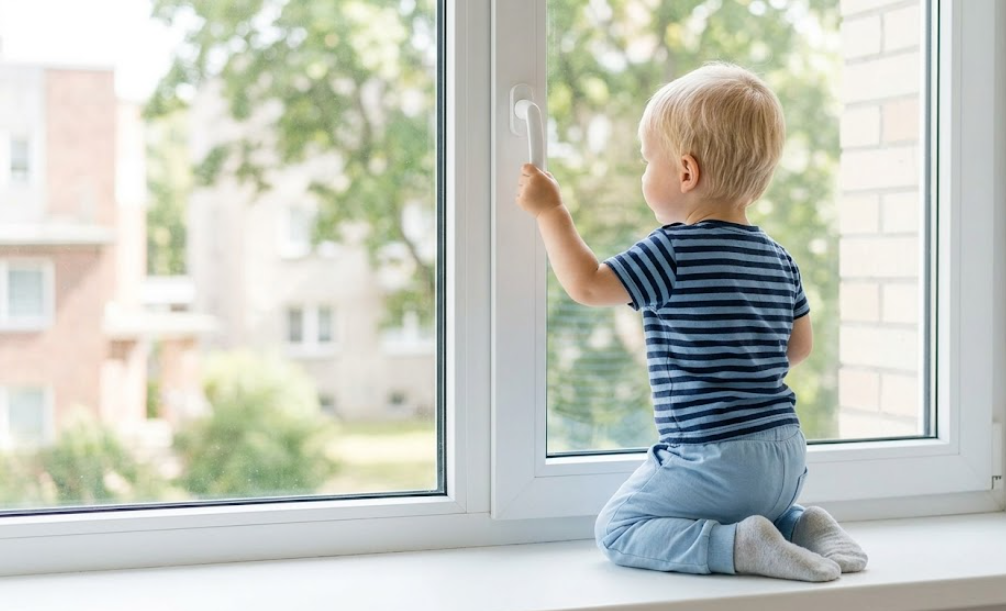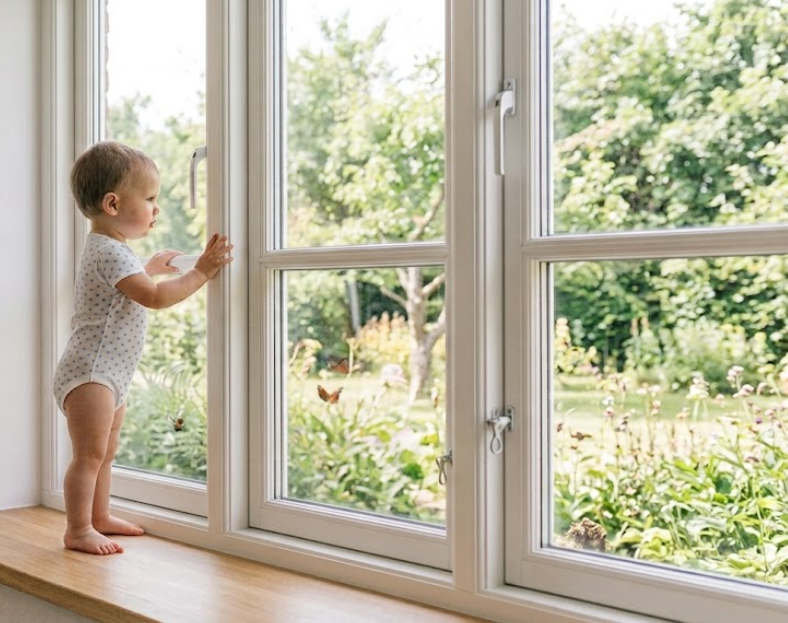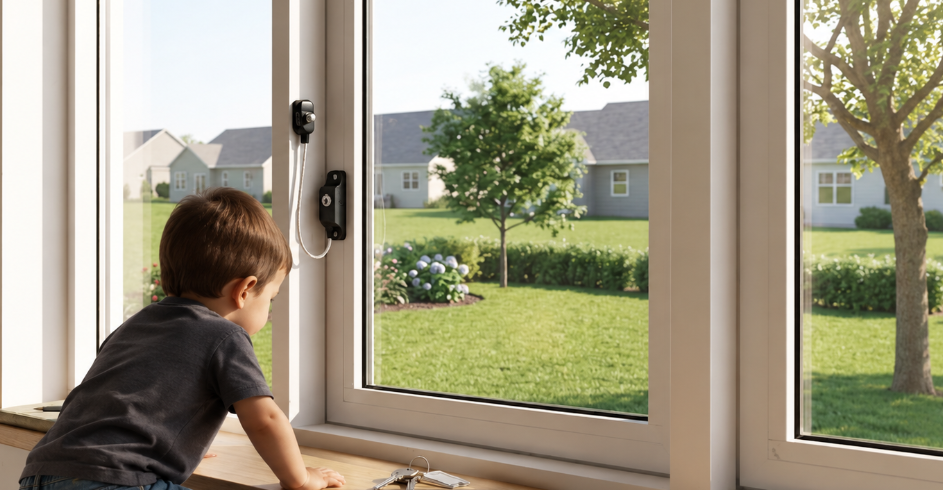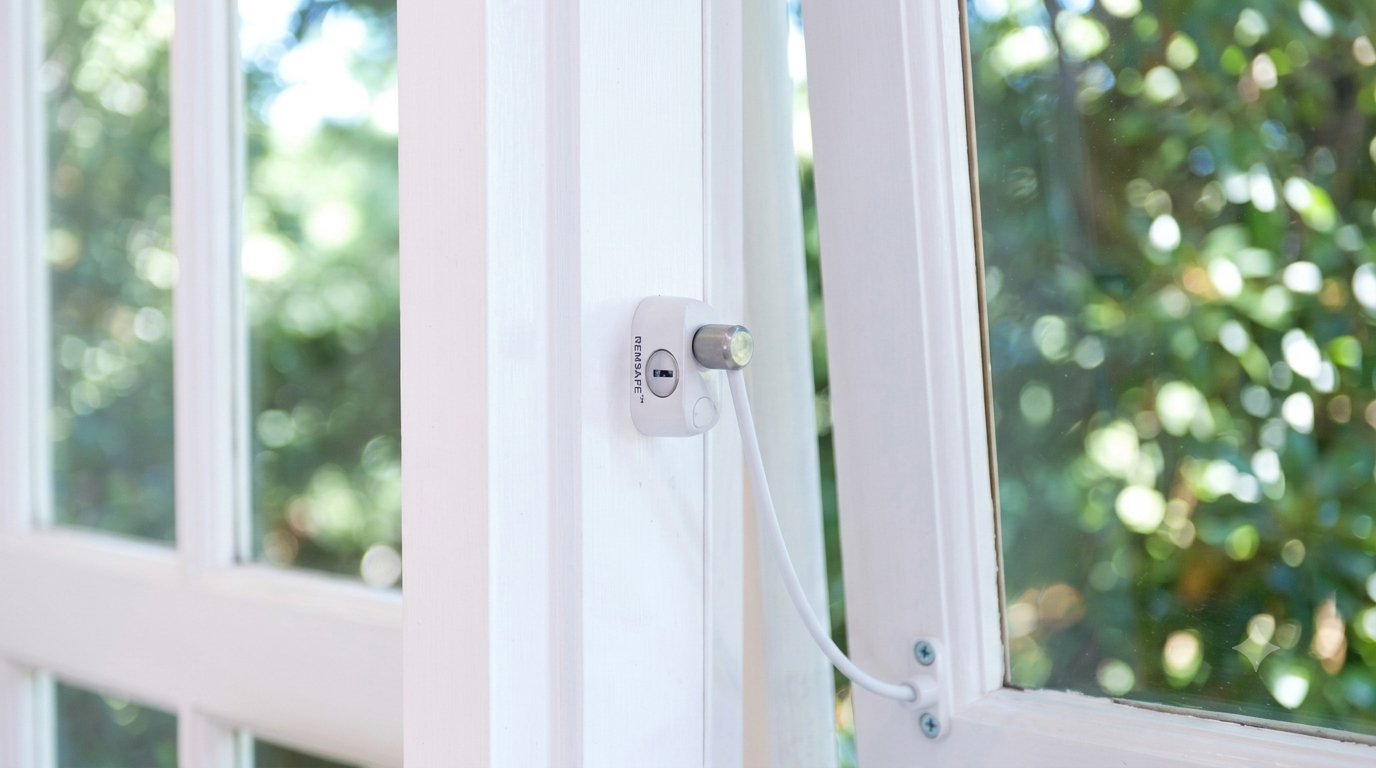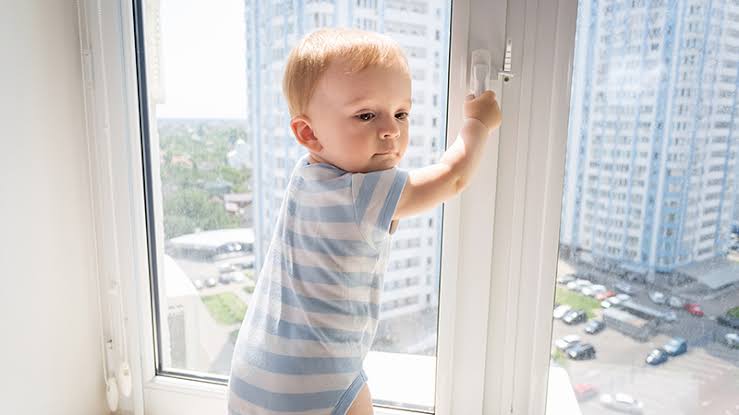
A child falls from a window in a non-compliant Sydney building. The injuries are severe. The family launches a lawsuit against the owners corporation. The building’s insurance company refuses to pay, citing non-compliance with statutory safety obligations. The OC faces legal fees exceeding AUD $100,000 even before a settlement is reached. The settlement itself–covering medical costs, disability care, and pain and suffering–reaches into the millions. This scenario isn’t hypothetical. It happens. Window safety non-compliance in NSW carries real financial, legal, and human consequences. Beyond potential injuries, there are regulatory penalties, insurance complications, liability exposure, and reputational damage. Understanding these costs is essential for building managers and owners corporations deciding whether window safety compliance is worth the investment.
What NSW Law Says About Penalties
The window safety duty sits in section 118 of the Strata Schemes Management Act 2015, and failing to comply is an offence. Here is the surprise: the statutory fine itself is small — currently a maximum of $550 for the owners corporation. That number misleads people into thinking non-compliance is cheap. It isn’t. The real costs sit in civil liability, insurance and emergency remediation, and they run to orders of magnitude more than any fine.
The proceedings that actually hurt are civil, not regulatory. If a child is injured at a non-compliant window, the owners corporation faces a negligence claim — and defending one generates legal costs from the first letter. An OC in that position can spend tens of thousands of dollars in legal fees before any settlement is even discussed, with the compliance failure sitting at the centre of the case the whole way through.
The OC’s Legal Exposure
Under the Strata Schemes Management Act 2015, an owners corporation is responsible for maintaining common property, including windows. This responsibility translates to legal liability if something goes wrong. If a child is injured due to a non-compliant window in the building’s common property, the injured party (or their parents/guardians) can sue the OC for damages. The basis is negligence: the OC had a duty to maintain safe common property, breached that duty by failing to ensure window safety compliance, and the breach resulted in injury and damages.
Legal liability isn’t limited to the OC as an entity. Individual strata committee members can face personal liability depending on circumstances. If the committee was made aware of a compliance issue and did nothing, individual members might be found personally negligent. While committee members typically have limited liability protections, these protections aren’t absolute. Deliberately ignoring known safety issues can pierce those protections. The practical effect is that committee members can face personal legal exposure for an OC’s non-compliance.
Damages in injury cases can be substantial. Medical costs for a child injured by a fall include emergency surgery, hospitalisation, ongoing rehabilitation, and potentially lifelong disability care. A child suffering permanent neurological injury from a fall might require decades of care costing millions. Pain and suffering damages add further. A lawsuit resulting from non-compliance can expose an OC to claims of AUD $500,000 to several million dollars. Most small strata buildings don’t have insurance reserves adequate to cover this exposure.
Insurance Won’t Always Save You
Many building managers assume that building insurance covers window safety incidents. This assumption is wrong. Most building insurance policies specifically exclude coverage for breaches of statutory obligations. If the building is non-compliant with window safety regulations and a child is injured, the insurer can refuse to pay the claim. The policy provision might read something like: “Cover does not apply to loss arising from non-compliance with any statutory obligation.” That language is intentional and enforceable.
Insurers know about window safety regulations. When underwriting building insurance, they increasingly require proof of compliance. Some policies now specifically require compliance with the Window Safety Regulation 2013. If the building isn’t compliant and makes a claim, the insurer has contractual grounds to deny coverage. This means the OC loses not just the insurance protection but also faces the full liability exposure directly.
Even if the insurer doesn’t explicitly deny a claim based on non-compliance, the policy premium can increase substantially once an incident occurs. If the building makes a claim following an injury at a non-compliant window, the insurer records the incident. When the policy comes up for renewal, the insurer will likely either refuse to renew, impose substantial premium increases, impose new exclusions, or reduce coverage limits. For buildings with incident history, obtaining insurance becomes difficult and expensive.
Professional indemnity liability for strata managers can also be affected. If a strata manager was aware of a compliance issue and didn’t advise the OC, and if an incident subsequently occurs, the strata manager’s professional indemnity insurer might pursue a claim against the manager. The manager’s liability insurer will argue that the manager breached professional duty by failing to advise the OC. Coverage disputes between the OC and the strata manager’s insurer can become complex and expensive, with both parties pursuing separate legal actions.
Real Scenarios: What Non-Compliance Looks Like
The scenarios below are illustrative — composites of the situations that arise when buildings fall behind, with indicative figures.
Scenario 1: The Overlooked Common Area Window A small residential building in inner Sydney had common property windows in the hallway connecting the lobby to the courtyard. The building had never had a formal window safety inspection. During a Fair Trading NSW audit (triggered by a routine registration check), an inspector identified that two hallway windows didn’t have restrictors and met the geometric criteria requiring devices. The windows hadn’t caused an incident, but the breach was clear. The building was put on notice to close the gap urgently. The OC scrambled: an urgent inspection, restrictors installed at short-notice rates, committee time, and a compliance file that now records a period of known breach. The total cost ran to several times what a planned programme would have — all avoidable with a single scheduled annual inspection.
Scenario 2: The Refused Remediation A larger apartment building identified a non-compliant window in a private unit during annual inspection. The resident refused to allow installation of a restrictor, claiming it affected their privacy or window operation. The OC advised the resident that remediation was mandatory and offered to install the device. The resident continued refusing. The OC applied to NCAT for an access order, requiring legal advice (AUD $2,000-3,000) and NCAT proceedings (AUD $500-1,000). NCAT issued an order requiring access. Installation finally occurred after months of conflict. Total cost: AUD $5,000+, significant administrative burden, and deteriorated relationship with the resident.
Meanwhile, the window remained non-compliant for months, creating liability exposure for an injury during that period.
Scenario 3: The Insurance Denial A building in western Sydney had non-compliant windows but no formal inspection record. A child visiting a unit fell from a non-compliant window and suffered serious injury. The family sued the OC for negligence. The OC’s building insurance claim was denied because the policy excluded coverage for non-compliance with statutory obligations. The insurer argued that the building’s failure to comply with window safety regulations was a breach of statutory duty, specifically excluded from coverage. The OC faced the full liability exposure–medical costs, ongoing care, pain and suffering damages–potentially exceeding AUD $2 million, with no insurance coverage. In a case like this, a settlement plausibly runs to seven figures — paid from reserves, special levies and borrowed funds, with individual unit owners bearing the cost through levies for years afterwards.
The Reputational Cost
Window safety incidents generate negative publicity and reputational damage. If a child is seriously injured at a non-compliant building, local media covers the story. The coverage typically highlights that the building was
non-compliant, didn’t have safety devices, and that the incident was preventable. The building’s reputation is damaged in the community and among potential buyers. Current residents feel their safety choices are questioned. Prospective buyers learn about the incident when researching the building. Property values can be affected by a building’s safety reputation.
Additionally, strata reviews posted online by residents often mention building safety. If residents discover the building is non-compliant with safety regulations, this appears in reviews. Poor strata reviews affect rental appeal and resale value. Potential tenants read that the building has window safety issues and choose a different property. Potential buyers hesitate. The combination of negative publicity and poor online reviews creates lasting reputational damage that can reduce property values and rental demand.
For strata managers, a building incident also affects professional reputation. The manager’s name is associated with the incident. If media coverage or online reviews mention that the building was non-compliant on a manager’s watch, this affects the manager’s professional standing. Property managers and owners corporations take this seriously when selecting a manager for future engagement. A single serious incident can result in loss of management contracts and business reputation damage.
How to Protect Your Building–And Yourself–Today
Step 1: If your building hasn’t had a formal window safety inspection in the past 12 months, book one immediately. This is a legal obligation and the foundation of compliance.
Step 2: Have a certified inspector conduct the inspection to AS 5203-2016 standard. Ensure the inspector provides a formal compliance certificate.
Step 3: If non-compliance is identified, remediate immediately–don’t delay. Missing the remediation window creates ongoing liability exposure.
Step 4: Establish an annual compliance programme. Mark the inspection date on your calendar and schedule next year’s inspection before the current certificate expires.
Step 5: Keep all compliance documentation in your strata records.
Maintain copies of inspection reports, certificates, and remediation records. These documents are your defence if a regulatory authority or court ever questions your compliance efforts.
Step 6: Communicate with your building’s residents about window safety. Advise them why restrictors are required, what devices are installed, and why maintaining devices is important.
Step 7: Consider your insurance. When renewing building insurance, inform the insurer of your compliance status and request confirmation that the policy covers window safety incidents. If coverage is excluded, discuss alternative insurance products or risk management strategies. Step 8: Ensure strata committee members understand the OC’s compliance obligations. A committee that understands why compliance matters is more likely to maintain it consistently.
Take Action Now
The cost of window safety compliance is minimal. The cost of non-compliance–regulatory penalties, legal fees, insurance complications, reputational damage, and potential liability for injuries–is substantial. Protecting your building means ensuring compliance. Haven Compliance specialises in window safety inspections for Sydney residential buildings. Our inspectors are certified to AS 5203-2016, provide same-day certificates, and offer annual compliance programmes. We help building managers and owners corporations understand their obligations and ensure their buildings remain compliant. Compliance is an investment in safety and legal protection.
Related reading
- NSW Window Safety Laws: What Every Strata Manager Must Know
- Who Is Responsible For Window Safety Devices In NSW Strata Buildings?
- Annual Window Safety Inspections: A Complete Guide for Owners Corporations
- Book this service: Window Safety Audits
- Annual Window Safety Re-Certification Program — Sydney & NSW