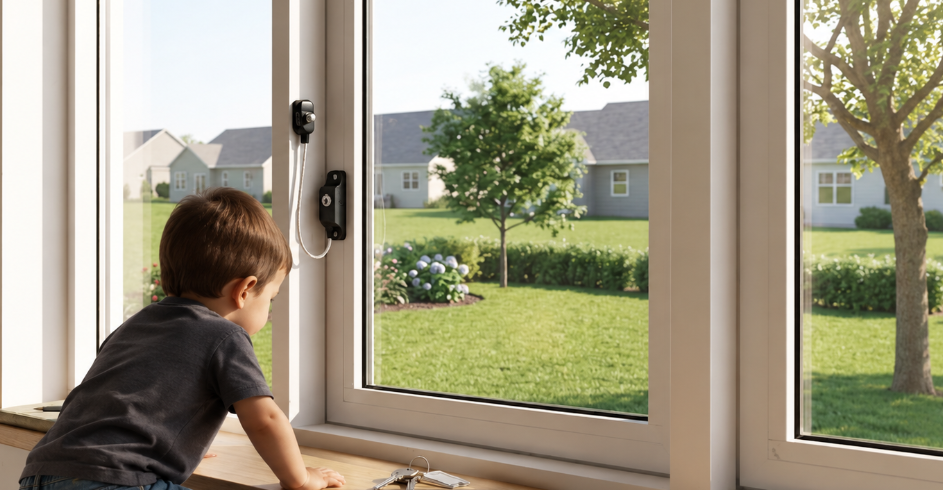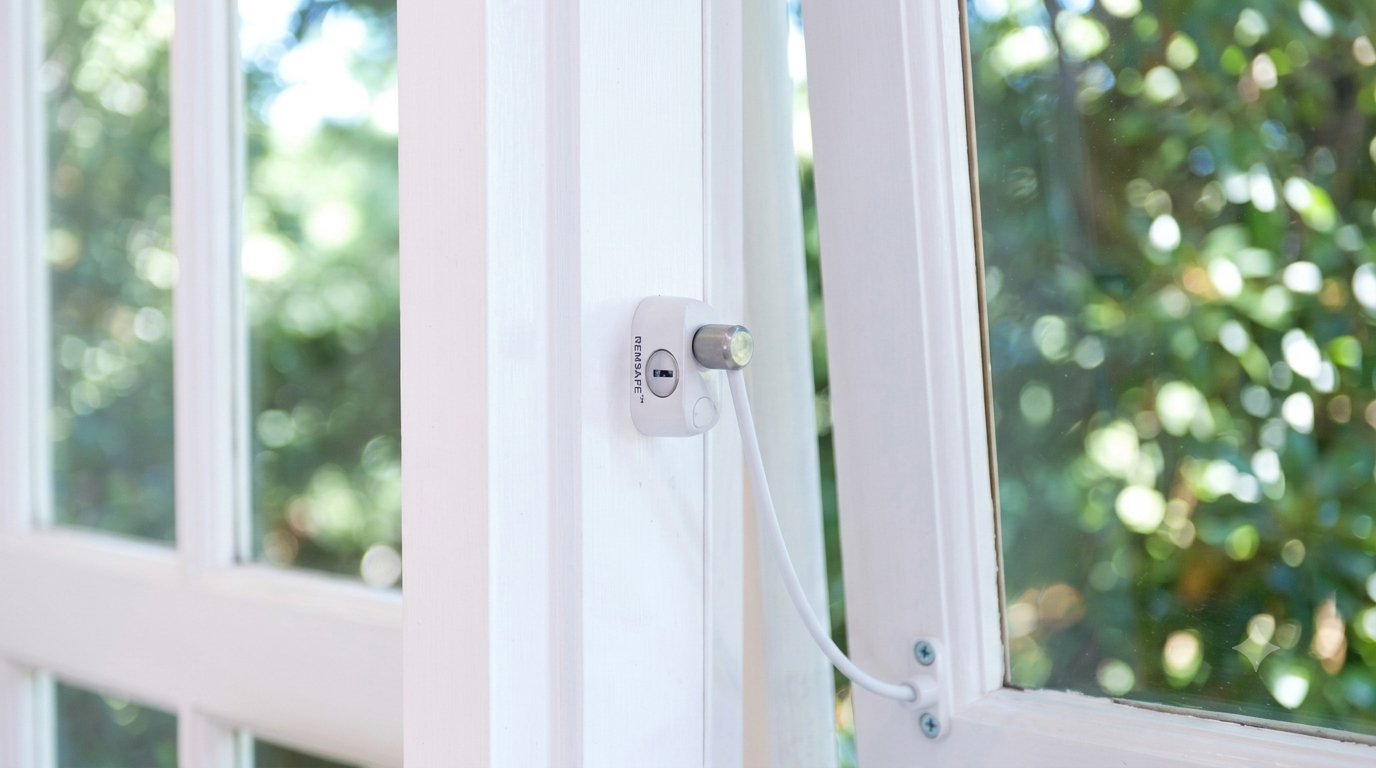
End of lease is the ideal time to check window safety devices. The tenant is leaving, access is easier, condition issues can be documented and repaired without disrupting anyone, and the property can be re-let with its safety record current. Yet in most agencies, the vacate inspection covers walls, carpets and bond deductions — and never once looks at whether the window restrictor still holds.
A simple check before re-leasing can prevent a much bigger problem later. This guide sets out why the vacancy window is the best compliance opportunity in the property cycle, what actually changes during a tenancy, and how to build window safety into your agency’s standard vacate workflow without adding meaningful overhead.
Why does end-of-lease timing work so well?
The hardest part of window safety compliance in tenanted property is access. During a tenancy, every inspection requires notice, scheduling around the tenant, and goodwill. Miss the appointment and the process starts again.
Between tenancies, all of that friction disappears: the property is empty, the agency holds the keys, and trades can attend at whatever time suits. The timing also aligns with money and motivation. Landlords are already expecting make-good costs at changeover — repainting, cleaning, small repairs.
A window safety rectification quoted alongside those items gets approved as part of the turnover, rather than arriving mid-tenancy as an unwelcome surprise that requires tenant coordination to action. And because the incoming tenant has not moved in yet, repairs happen without notice periods, access disputes or anyone living around a tradesperson.
What changes during a tenancy?
The assumption that kills compliance is that a device installed once stays compliant forever. A tenancy is two, three, five years of daily use, and window hardware wears in ways nobody reports:
- Restrictors and locks are disengaged for cleaning or ventilation and never re-engaged.
- Devices are removed outright — tenants with no small children often see restrictors as an inconvenience, unscrew them, and the parts leave with the furniture.
- Keys for key-operated locks disappear during the tenancy or the move-out.
- Fixings loosen with repeated use; cables stretch; mechanisms corrode, especially near the coast.
- Frames deteriorate — timber rot and water damage weaken the substrate the device anchors into. None of this appears in a routine inspection focused on cleanliness and damage.
It only surfaces when someone deliberately checks the devices — which is exactly what the vacate period is for.
What is the legal backdrop?
For units in strata buildings, section 118 of the Strata Schemes Management Act 2015 requires child window safety devices on relevant openable windows — devices that restrict opening to less than 125mm and resist 250 newtons of force. That duty sits primarily with the owners corporation, but the practical exposure does not stop there. A landlord re-letting a unit with a known-defective device, and an agency that managed the changeover without flagging it, are both part of the picture a lawyer reconstructs after an incident involving a child.
Beyond strata-specific obligations, landlords owe tenants a general duty of care, and property managers owe their landlord clients competent management. An agency that can show window safety was checked and documented at every changeover has a strong answer to both. An agency that cannot is relying on nothing having gone wrong yet.
A Vacate Workflow That Includes Window Safety
The change required is small. When notice is received, the vacancy clock starts — and window safety becomes one more item on a checklist you already run:
- On notice received: pull the property’s window safety record. When was the last inspection? Are there open defects? If there is no record at all, treat the property as unverified.
- Book the check for the vacancy window — after the outgoing tenant’s departure, before the incoming tenancy starts. Even a short vacancy is enough.
- Inspect and document: every openable window above ground level checked for device presence, engagement, opening limit and condition, with photos.
- Quote rectification immediately so it can be approved with the other make-good works and completed while the property is empty.
- Verify and file: repaired items re-checked, the final record stored against the property, and the new tenancy starts with a clean, current safety file.
What should you look for during a vacate walk-through?
A professional inspection tests devices against the actual standard, but property managers doing the routine vacate walk-through can catch the obvious problems first. Look for windows that open past roughly fist-width with the device engaged, restrictors that are visibly missing, disconnected or hanging loose, locks with no key present, corrosion or damaged frames, and any window above ground level with no device at all. Finding any of these does not require a judgement call — it simply means the property needs a proper check before re-letting.
What should you tell landlords?
Landlord communication works best in plain terms and at the right moment. At changeover, the message is simple: the vacancy is the cheapest and easiest time to confirm the window safety devices are present and working; here is what the check covers; here is the photo evidence of anything that needs attention; here is the quote to fix it before the new tenant moves in. Photo evidence matters more than anything else in that conversation.
A line item that says ‘restrictor defective — replace’ invites debate. A photograph of a restrictor hanging off a rotted frame gets approved the same day. Reports built around images shorten the approval cycle and leave the landlord with a record showing they acted on what they were told — protection that works in both directions.
How does this protect the agency?
The direct benefit is risk reduction, but the operational gains are real too. Devices verified at changeover do not generate urgent mid-tenancy maintenance requests when a new tenant with a toddler discovers a broken restrictor in week two. Properties build a continuous compliance history that survives staff changes and management transfers.
And when landlords compare agencies, documented safety management at every changeover is a genuine point of difference — it demonstrates the agency manages the asset, not just the rent roll.
What does the check cost versus what it saves?
An end-of-lease window safety check on a typical unit is a modest, predictable line item — comparable to the other changeover trades a landlord already pays for, and cheaper still when bundled with rectification in a single visit while the property is empty. Set that against what it prevents: an urgent mid-tenancy repair with access negotiations and after-hours rates; a compliance defect surfacing in an insurance claim; or, at the far end, an injury at a window whose restrictor had been missing since two tenancies ago.
The cost asymmetry is so lopsided that the check is effectively insurance priced at a service call. There is also a quieter saving. Properties with continuous safety records let and sell more cleanly: no surprises in pre-purchase enquiries, no last-minute conditions from cautious buyers or their conveyancers, and no scramble to reconstruct history when a strata manager or insurer asks for evidence the agency does not have.
Which mid-tenancy triggers shouldn’t wait for vacate?
End of lease is the ideal scheduled moment, but some events justify a check immediately, tenancy or not: a tenant reports a broken or removed device; a household with young children moves in or a tenant discloses a new baby; storm or water damage affects window frames; renovations or painting involved removing hardware; or the property simply has no window safety record at all. Treat these as triggers in their own right — the vacancy schedule is a rhythm, not a constraint.
Make It Policy, Not Judgement
The workflow above only delivers if it happens every time. The agencies that do this well remove the
per-property decision entirely: every managed property gets a window safety check at every changeover, full stop. A written internal policy — trigger, timing, documentation, storage location — means the outcome does not depend on which property manager handles the vacate, and gives the agency a documented standard it can point to.
A policy that is applied consistently is protection; a habit applied occasionally is not.
Frequently Asked Questions
No specific end-of-lease check is mandated — but the owners corporation’s section 118 duty runs continuously, and the changeover is the practical moment to verify a unit while it is empty.
Minutes per unit — each qualifying window checked for a present, engaged device that holds the opening at 125mm and resists firm force, with a dated photo record for the tenancy file.
The check is typically a landlord cost like smoke-alarm servicing; devices required under section 118 are funded by the owners corporation. Our end-of-lease audit service covers both cleanly.
Document it with photographs, report it to the owners corporation for remediation before the new tenancy starts, and keep the record — that file is the agency’s protection.
Book the Check Before the Next Tenancy Begins
Haven Compliance provides end-of-lease window safety checks across Sydney, with photographic reports written for landlord approval, rectification support so defects can be fixed within the vacancy window, and records your agency can file and rely on. If you have a vacate coming up or a rent roll with no window safety records at all, we will build the check into your changeover schedule.