For strata managers, child window safety compliance is a coordination problem as much as a technical one. You need resident access, common area access, accurate records, committee approvals, rectification trades and reinspection evidence — across a building full of people who have other priorities. The technical standard itself is fixed and testable.
Getting a whole building through it, every year, with records that prove it happened, is where the real work sits. This guide breaks the compliance cycle into its moving parts and shows what a strata manager actually has to do at each one — and, just as importantly, what a good inspection provider should be taking off your plate.
What does the law require of the owners corporation?
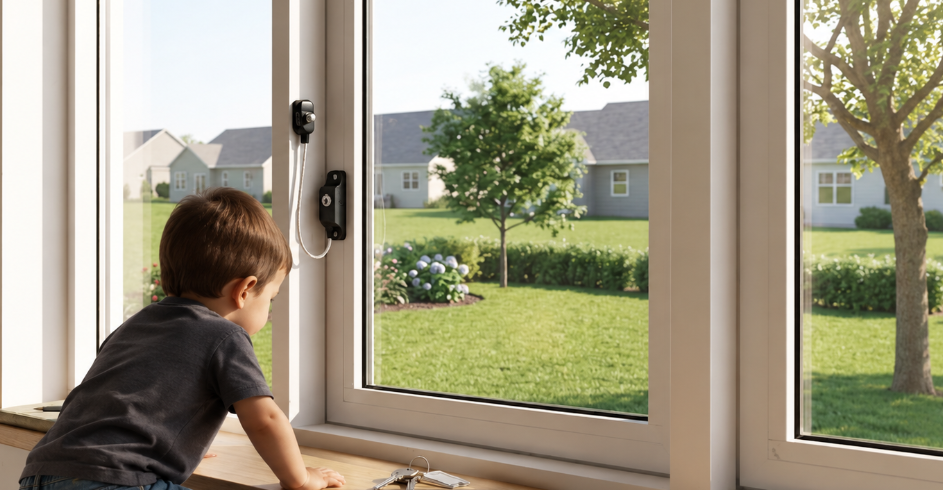
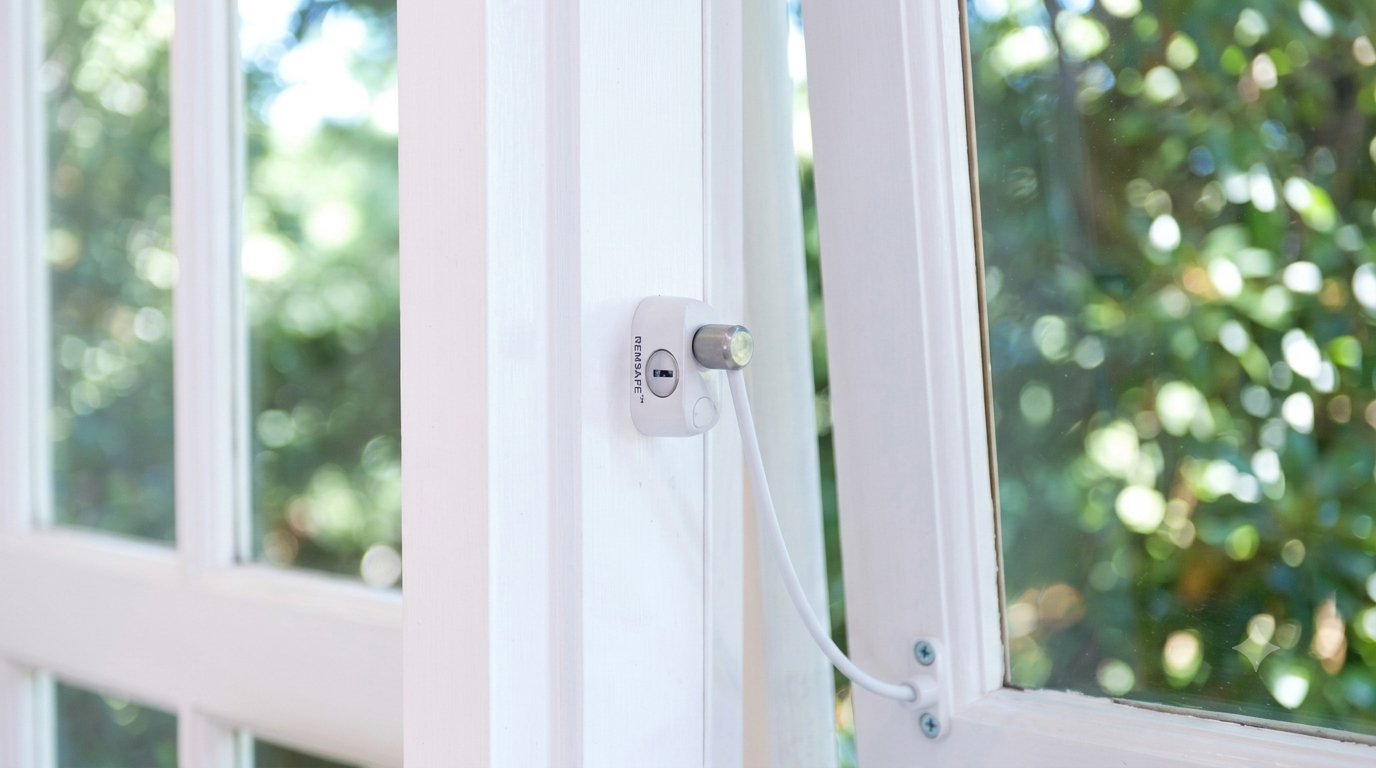
Section 118 of the Strata Schemes Management Act 2015 required every NSW owners corporation to install child window safety devices by 13 March 2018 on relevant openable windows — broadly, windows above the ground floor where the internal sill is within reach of a child. A compliant device must restrict the opening to less than 125mm when engaged and resist 250 newtons of outward force. The duty to install and maintain these devices sits with the owners corporation, and maintaining means the devices must actually work now, not merely have been installed once.
The strata manager is not personally the duty-holder — but in practice the manager is the person who makes compliance happen: advising the committee of the obligation, arranging inspections, coordinating access, chasing rectification and keeping the records. If compliance fails, the file showing what the manager advised and arranged becomes very important indeed.
What is the strata manager’s practical problem?
yourself — you will be scheduling the person who does, notifying a few dozen households, presenting results to a committee, getting quotes approved, and making sure someone goes back to verify the repairs. Every one of those steps involves other people’s cooperation, which means every one of them can stall.
This is why the provider you choose matters beyond technical competence. An inspector who hands you a bare pass/fail certificate has transferred the entire administrative burden to you. An inspector whose report arrives with photos, unit-by-unit results, a separated list of inaccessible lots and clear next actions has done half your coordination work in the document itself.
What are the six moving parts of a compliant programme?
- Scope — establish which windows in the building meet the criteria. This is set once by a competent inspection and then maintained, not re-argued every year.
- Access — residents notified early enough, clearly enough, that the inspector gets into the maximum number of lots on the day.
- Inspection — every in-scope window physically tested for device presence, opening limit and condition; not a visual walk-past.
- Report — written results with photographs, per-lot detail, defects identified, and inaccessible units listed separately.
- Rectification — defects quoted, approved by the committee, repaired, and then reinspected so the record shows verified closure.
- Records — everything above filed with the building’s records in one place, year after year, in a format the next manager can pick up cold.
- Most compliance failures in strata are not failures of hardware. They are one of these six steps silently not happening — usually access, rectification follow-through, or records.
What to Send Your Inspector Before Quoting
Accurate quotes and smooth inspection days start with good information. When requesting a quote, send the building address, the number of lots and levels, any prior inspection reports, known access complications (secured floors, absent owners, short-term lets), the building manager’s contact details, preferred timing, and whether you want rectification handled in the same engagement. Thirty minutes assembling this saves weeks of back-and-forth and prevents the quote from changing on inspection day.
How do you notify residents so access actually happens?
Access is the step most likely to undermine the whole exercise, and it is won or lost in the notice. Residents should receive a short, plain-language notice explaining the inspection purpose, the access requirement, the date and time window, and a contact person — sent at least two weeks out, with a reminder a few days before. Frame it as child safety, not bureaucracy: ‘we are checking the devices that stop windows opening far enough for a child to fall’ gets cooperation that ‘compliance inspection pursuant to s118’ does not.
Expect some units to be missed anyway, and plan for it: the inspection record should list inaccessible lots explicitly, and a follow-up visit should be booked for them rather than letting the gap ride until next year.
How do you brief the committee?
Committees do not need the technical detail; they need decisions made easy. A good briefing covers four things: what was inspected, what failed, which lots could not be accessed, and what approvals are needed — with the rectification quote attached and photographs doing the persuading. Keep the legal framing short but honest: the OC has a statutory duty, the defects on this list are open items against that duty, and approving the repairs closes them.
Most committees approve window safety rectification quickly when it is presented this way; what stalls them is a report they cannot interpret.
How do you handle refused or repeatedly missed access?
When a resident refuses access or misses every appointment, the owners corporation is not powerless. The OC can issue a formal notice requiring access under the Strata Schemes Management Act, and if refusal continues, apply to NCAT for an access order. In practice it rarely gets that far — most holdouts cooperate once the child-safety purpose and the legal obligation are explained directly.
What matters from the manager’s side is documentation: every notice, attempt and refusal recorded, so the building’s file shows the OC pursued its obligation even where a resident obstructed it.
Which records survive manager changes?
Strata management changes hands. Buildings change managers, portfolios change hands within agencies, and every transition is a chance for compliance history to evaporate. The defence is a single, boring,
well-kept folder held with the building’s records: current and previous inspection reports, rectification quotes and approvals, completion evidence, reinspection results, and access correspondence.
When the next manager inherits the building, they should be able to answer ‘when was the last inspection, what is outstanding, and when is the next one due?’ in five minutes. If your buildings cannot pass that test today, that is the first gap to close.
A Realistic Annual Timeline
Run as a programme, the cycle is undramatic. Eight weeks before the target date: book the inspection and confirm scope against last year’s report. Two weeks out: resident notices go out; common-area access is arranged.
Inspection day: the building is tested, results and missed lots recorded. Within one week: report reviewed, defects and quote to the committee. Within thirty days: rectification completed and reinspected; follow-up visit booked for missed lots.
Then the file is closed, next year’s date goes in the diary, and the building spends eleven months not thinking about windows. Compare that with the alternative rhythm — no fixed date, an AGM question nobody can answer, and a scramble to reconstruct history — and the programme is obviously the lighter workload, not the heavier one.
What does failure look like from the manager’s chair?
It is worth being concrete about the downside, because it rarely announces itself. A building goes four years without an inspection because each year had a bigger priority. A tenant’s complaint about a broken restrictor sits in a maintenance queue.
Then an incident, or even just an insurance renewal question or a Fair Trading enquiry, turns the file into the story — and the story the file tells is that the duty existed, the manager knew, and the record shows silence. No manager wants their professional position to depend on how that file reads. The entire discipline in this article exists so that it never does.
What a Good Provider Should Make Easier
Measured against the six moving parts above, a provider worth keeping will offer: scheduling that works around your notice periods; reports with photographs and per-lot detail; inaccessible units tracked in their own schedule; defects described in language a committee can act on; rectification support so repairs and reinspection happen inside one engagement; and reminders when the next annual inspection falls due. Every one of those is a piece of coordination you no longer carry.
Frequently Asked Questions
Every openable window where the internal floor sits two metres or more above the outside ground and the opening starts below 1.7 metres — lot windows and common property alike, across every building the scheme owns.
No statute fixes an interval; annual is prudent best practice. High-churn Sydney buildings benefit from adding unit checks at tenancy changeover, because devices fail between anniversaries.
That it is a child-safety check under NSW strata law, what will happen, and when — clear plain-language notice measurably lifts access rates. We supply a template with every booking.
The inspection report, unit-by-unit register, remediation evidence and certificates, kept 7 years under section 180 — formatted so they survive the next change of managing agent intact.
Get the Cycle Running
Haven Compliance runs window safety compliance programmes for strata buildings across Sydney — inspection, photographic reporting, rectification through our repair partners, reinspection and annual scheduling, with records built for committees and for handover. If a building in your portfolio has no current inspection record, or a report with defects nobody closed out, request a quote: call +61 2 8000 0287 or email admin@havencompliance.com.au with the building details and we will come back to you quickly.